


























 We support and stand by Ukraine in its fight for freedom.
Modern Infrastructure
Ambitious insurers need modern, future-focused infrastructure


The dangers of outdated insurance architecture
Outdated core systems were built for batch processing, rigid products, and slow releases. Even “modernized” versions of these systems have brittle data models and custom coding requirements that slow down change.
Particularly with the integration of AI, insurers desperately need systems that can provide:
- Context: Data silos of old systems split policy, billing, claims, and customer data, prohibiting a true real-time knowledge base.
- Clean connections: Hard-coding integrations make orchestrating with AI at scale both fragile and expensive.
- Guardrails: AI rules & decisions need to be both governed and auditable. Older systems scatter these rules across custom code and exceptions, making this much harder.
- Quick customer service: Instant answers are today’s baseline, and the so-called “transparency” of old systems doesn’t cut it anymore.
EIS is the firmest foundation for modern insurance
EIS gives insurers the speed and flexibility they need without losing control. Our OneSuite platform pairs a unified, real-time view of customers and policies with a governed knowledge base, natural-language control, and agentic orchestration.
This means less custom code, cleaner change management, and AI-driven decisions you can explain and audit.
How EIS Empowers Insurers for the Future

EIS Platform (OneSuite) builds workflows, integrations, and reusable components without turning every change into a custom-code project. This helps insurers move quickly and stay ahead of the market.

CoreGentic (our latest update to OneSuite) adds a governed knowledge base, plain-language control, and agentic orchestration, so automation is explainable, auditable, and safe to scale.
CustomerCore creates a real-time, unified view of customers, all their policies, their relationships, which gives AI the context it needs to act fast with true personalization at scale.
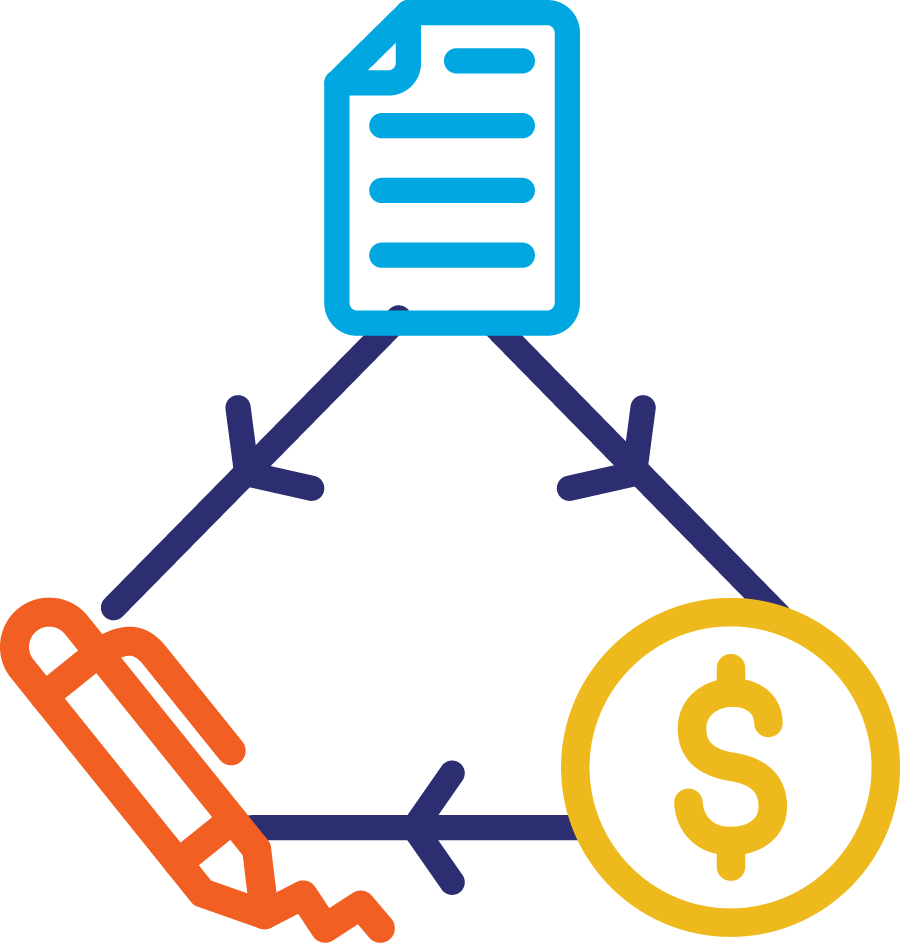
BillingCore, PolicyCore, and ClaimCore run the end-to-end insurance engine on consistent rules.

ClaimsSmart automatically reduces claims leakage and improves fraud detection with custom, constantly-learning models based on AI and machine learning.

Portals proved role-based, self-service interfaces with all required information for customers, brokers, agents, and ecosystem partners.

Score your tech stack
Q: What is modern insurance infrastructure, and why is it important?
A: Modern insurance infrastructure is a cloud-native, API-first, event-driven foundation that keeps data flowing in real time so you can change fast without breaking operations — all while intelligently and compliantly enabling AI to operate efficiently.
- It is cloud-native (not “lift-and-shift”) for true scalability and performance.
- It uses microservices and an open API framework to avoid hard-coding and brittle integrations.
- It improves data fluidity to reduce silos, manual work, and delays.
- It uses CI/CD to stay current instead of continually running slightly out of date.
Q: How does EIS ensure compliance with ethical AI standards?
A: EIS builds AI governance into the core—grounding, provenance, bias testing, human oversight, and auditability. It is also the first insurance core system to obtain the ISO 42001 certification for AI systems management.
- Further, EIS embeds grounding and provenance so outputs are traceable, then adds bias testing and auditability so decisions can be reviewed and defended.
- It keeps humans in control with guardrails, approvals, and audit trails that match regulated insurance workflows and internal policies.
- It enforces governed execution through APIs and workflows with permissions and controls, rather than relying on “black box” automation.
Q: Can the EIS platform integrate with existing systems?
A: Absolutely! Our API-first approach ensures that EIS OneSuite™ platform can seamlessly integrate with your existing systems. Key benefits include:
- A robust framework that supports integration with various software solutions, enhancing your modern insurance infrastructure.
- It is designed to connect and automate across systems (not siloed point links).
- Enhanced interoperability that drives efficiency across your operations.
Q: What lines of business can the EIS platform support?
A: EIS OneSuite™ platform accommodates a diverse range of business lines, such as:
- Auto and homeowners insurance.
- Employee benefits and annuities.
- Property and casualty insurance — including home and auto — all integrated within a unified SaaS solution for streamlined operations across different insurance domains, supporting the principles of a modern insurance infrastructure.
Q: How quickly can I implement EIS solutions?
A: Implementation speed depends on scope, but EIS is built for faster launches using modular rollout plus preconfigured components and templates.
- Modular adoption means you can move in phases, and not be forced to go through a “big bang” software upgrade.
- EIS delivers rapid time to market with preconfigured components and templates.
- Natural language configuration and core-embedded AI can make change cycles even faster, eliminating much of the back & forth with IT.
Q: What makes the EIS cloud-native platform different from on-premises solutions?
A: EIS is engineered cloud-native (microservices, real-time, CI/CD), while many “cloud” alternatives are just on-prem systems moved to the cloud.
- It isn’t just a lift-and-shift operating model, but is instead built for optimal cloud deployment and performance.
- EIS OneSuite uses a microservices architecture for agile, scalable releases.
- Data fluidity and open APIs mean insurers can avoid siloed data and hard-coded integration work.
- CI/CD keeps you current without costly upgrade projects.
Q: How does EIS support innovation in the insurance industry?
A: EIS OneSuiteTM powered by CoreGenticTM supports innovation by combining an open, event-driven core with governed, core-embedded AI so teams can build, test, and launch changes faster—and safely.
- It operates as an insurance AI platform that connects insurance-native knowledge to governed reasoning and executes outcomes directly through core APIs and workflows.
- It uses event-driven architecture to trigger smarter, automated workflows across the lifecycle.
- It provides natural-language control to cut IT bottlenecks and reduce technical debt.
- It enables agentic orchestration so changes that once took weeks can be tested within hours.
- It supports compliant innovation with governed execution (permissions, thresholds, and audit trails).
Q: What are the benefits of using a modular platform like EIS OneSuite™?
A: A modular platform lets you modernize in steps, swap capabilities without ripping out everything, and keep pace with change across lines and markets.
- Tailored solutions that allow insurers to implement only what they need, reducing unnecessary complexity.
- You can implement at your pace with phased transformation and lower disruption, and add or evolve products and processes without heavy custom code debt.
- Streamlined processes for integrating new features, enables insurers to stay ahead of technological advancements.
- It supports faster launches with prebuilt workflows, templates, and configuration tooling.
- There is less fragmentation, thanks to one platform providing the foundation for policy, billing, claims, and customer operations.
